Understanding the Lifespan of Critical Auto Parts
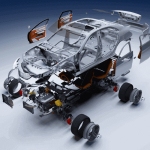
A modern vehicle is a complex assembly of thousands of individual components working in unison. While automotive engineering has advanced significantly, no mechanical component lasts forever. Every part has a definitive operational life cycle determined by mileage, time, environmental conditions, and driving habits.
Failing to recognize when critical auto parts are nearing the end of their operational lifespan can lead to unexpected breakdowns, expensive secondary damage, and severe safety hazards. By understanding how long these essential systems are designed to last and recognizing the warning signs of degradation, vehicle owners can shift from stressful reactive repairs to proactive maintenance.
The Braking System Friction and Stopping Power
The braking system is arguably the most vital safety feature on any vehicle. It relies entirely on friction to convert kinetic energy into thermal energy, which naturally causes the components to wear down over time.
Brake Pads
Brake pads typically last between thirty thousand and seventy thousand miles. The exact lifespan depends heavily on driving environments. Vehicles driven primarily in urban areas with frequent stop and go traffic wear out their pads much faster than those operating on open highways.
-
Warning Signs: A high pitched squealing sound when applying the brakes, which is caused by a built in metal wear indicator touching the rotor. A grinding noise indicates the friction material is completely gone, meaning metal is rubbing against metal.
-
Consequences of Neglect: Worn pads quickly ruin brake rotors, drastically increasing the stopping distance and putting the driver at risk of an accident.
Brake Rotors
Brake rotors are the metal discs that the pads clamp down on. They generally last through two sets of brake pads, translating to roughly fifty thousand to eighty thousand miles.
-
Warning Signs: A noticeable pulsation or shuddering in the steering wheel or brake pedal during deceleration indicates warped rotors. Visible deep grooves or a lip around the edge of the disc also signal the need for replacement.
The Electrical System Powering the Vehicle
A vehicle cannot start or run without a functional electrical ecosystem. The components responsible for generating and storing this power operate under constant thermal stress.
The Battery
Automobile batteries have an average lifespan of three to five years. Chemical degradation occurs naturally inside the battery over time, a process accelerated by extreme hot or cold weather.
-
Warning Signs: A sluggish or slow engine crank when turning the key, dimming headlights when the engine is idling, or a swelling battery case.
-
Proactive Care: Having the battery voltage and cold cranking amps tested annually after the three year mark helps prevent a sudden dead battery scenario.
The Alternator
The alternator charges the battery and powers the electrical systems while the engine runs. It typically lasts between eighty thousand and one hundred fifty thousand miles.
-
Warning Signs: Intermittent flickering of interior lights, a battery warning light illuminating on the dashboard, or a whining noise caused by failing internal bearings.
Engine Timing and Internal Protection
The internal components of an internal combustion engine operate at thousands of revolutions per minute. Preventing internal collision and managing heat are crucial for engine survival.
The Timing Belt
Not all cars have a timing belt, as some use timing chains, but for vehicles equipped with a belt, it usually requires replacement every sixty thousand to one hundred thousand miles. Because it is made of a rubber compound, it degrades with age regardless of mileage, meaning it should generally be replaced every seven to ten years.
-
Warning Signs: Timing belts rarely give clear audible warnings before they fail. They may occasionally cause a ticking noise from the engine or engine misfires if they stretch and skip a tooth on the gears.
-
High Risk Component: If a timing belt snaps in an interference engine, the valves and pistons will violently collide, instantly destroying the engine.
The Water Pump
The water pump circulates coolant through the engine to prevent overheating. It lasts roughly sixty thousand to one hundred thousand miles and is frequently replaced at the same time as the timing belt because they share the same physical space inside the engine bay.
-
Warning Signs: Coolant puddles underneath the front of the car, a low coolant warning light, a whining sound from the front of the engine, or rising engine temperatures on the dashboard gauge.
Suspension and Steering Control and Comfort
The suspension system absorbs road impacts and maintains tire contact with the pavement, directly influencing handling precision.
Shock Absorbers and Struts
Shocks and struts generally maintain optimal performance for fifty thousand to eighty thousand miles. Over millions of compressions, the internal hydraulic fluid degrades or leaks past the internal seals.
-
Warning Signs: Excessive bouncing after hitting a pothole, the nose of the vehicle diving forward drastically during hard braking, visible fluid leaking down the side of the shock body, or uneven tire wear.
Ball Joints and Tie Rod Ends
These steering components connect the wheel hubs to the steering gear and suspension links. They commonly last between seventy thousand and one hundred thousand miles, though rough roads and torn protective rubber boots shorten this timeframe.
-
Warning Signs: A clunking or popping noise from the front suspension when turning or driving over bumps, loose steering feel, or the vehicle drifting to one side.
Filtration and Fuel Systems Maintaining Purity
Filters act as barriers against contaminants that can ruin expensive engine and fuel system components.
The Fuel Pump
Modern electric fuel pumps reside inside the gas tank and are cooled by the fuel itself. They typically last between one hundred thousand and one hundred fifty thousand miles.
-
Warning Signs: A loud whining or buzzing noise coming from the rear seat area, engine sputtering at high speeds, difficulty starting the vehicle, or a sudden loss of power when driving uphill.
-
Lifespan Extension: Consistently driving with a near empty gas tank deprives the pump of cooling lubrication, causing it to run hot and fail prematurely.
Spark Plugs
Standard copper spark plugs last around thirty thousand miles, while modern platinum or iridium spark plugs can last between sixty thousand and one hundred thousand miles.
-
Warning Signs: Rough engine idling, poor acceleration, a drop in fuel economy, or engine misfires that trigger the check engine light.
Component Lifespan Reference Matrix
The following overview outlines the baseline expectations for critical vehicle systems under normal operating conditions.
Frequently Asked Questions
Can a vehicle owner extend the lifespan of components beyond the factory estimates
Yes, proactive maintenance dramatically extends component life. Simple habits like checking fluid levels regularly, replacing filters before they become completely clogged, avoiding aggressive braking, and washing away road salt in the winter prevent premature wear. Additionally, correcting wheel alignment protects suspension parts and tires from uneven loading, ensuring they reach their maximum engineered potential.
Why do identical auto parts wear out faster on some vehicles than others
Component longevity depends heavily on individual driving habits, geographic location, and vehicle payload. A vehicle used for towing heavy trailers or driven in mountainous terrain places far more stress on its brakes, transmission, and suspension than a commuter car driving on flat highways. Furthermore, vehicles operating in humid coastal regions or areas with snowy winters suffer from accelerated rust and corrosion, which degrades metal and rubber parts faster.
Is it necessary to replace parts in pairs if only one side has failed
For steering and suspension components, such as shocks, struts, ball joints, and brake parts, it is highly recommended to replace them in axle pairs. Because both sides of the vehicle experience identical road conditions and mileage, the opposite side is usually close to failing as well. Replacing them together ensures balanced handling, symmetrical braking performance, and predictable vehicle dynamics.
How do fluid changes impact the lifespan of mechanical parts
Fluids are the lifeblood of mechanical systems, serving to lubricate moving parts, dissipate heat, and inhibit internal corrosion. Over time, fluids like engine oil, transmission fluid, and brake fluid lose their chemical effectiveness and accumulate microscopic metal shavings and debris. Regular fluid changes remove these abrasive contaminants, keeping internal gears, valves, and bearings running smoothly and preventing premature mechanical failure.
What is the difference between a timing belt and a timing chain regarding lifespan
A timing belt is made of a reinforced rubber compound that degrades over time and mileage, requiring scheduled replacement to prevent catastrophic engine damage. A timing chain is made of metal links, similar to a bicycle chain, and is lubricated by engine oil. A timing chain is engineered to last the entire lifespan of the engine, though it requires clean engine oil to prevent stretching and wear on its tensioners.
How does weather affect the lifespan of rubber suspension bushings
Rubber suspension bushings isolate vibrations and allow suspension arms to move smoothly. Extreme heat dries out the rubber, causing it to harden and crack, while extreme cold makes the rubber brittle and prone to tearing under sudden impacts. Additionally, exposure to road salt, engine oil leaks, and ozone accelerates the breakdown of the rubber matrix, leading to loose handling and loud suspension noises.
Should a component be replaced immediately if it exceeds its mileage estimate but shows no symptoms
If a critical component like a timing belt has exceeded its factory recommended lifespan, it should be replaced regardless of whether it shows visible symptoms, because its failure happens instantly and causes catastrophic engine destruction. For other parts like alternators or shocks, if a professional inspection confirms they are performing within factory specifications and show no signs of leakage or wear, they can often be monitored safely rather than replaced immediately.